About TUOFAN
Built aroundthe project.
TUOFAN is a custom watch development and manufacturing partner for independent watch brands. Work covers development, manufacturing coordination, assembly and quality control. What a project needs depends on the watch, how far its design has developed, and the requirements around it.
Independent watch brands
Built for brands developing something of their own.
TUOFAN works with independent watch brands, microbrands, watch entrepreneurs, and designers developing their own watch brands. Projects arrive at different stages, and the first review is about where yours actually is.
For OEM projects, we work from your design and specifications, supporting engineering and manufacturing through production. For ODM projects, our design and engineering team works with you to develop a watch concept into a manufacturable product. Tooling, design-file delivery and intellectual-property arrangements are agreed for each project.
Concept
A direction, a reference or an early design that still needs manufacturing decisions.
Design
A developed visual design that needs engineering and production review.
Prototype
A physical watch that needs evaluating, or preparing for repeatable production.
Production-ready
Specifications and approved decisions that need to move into manufacturing and assembly.
Not every enquiry becomes a project. The first review establishes whether the work is a good fit on both sides — and a project that starts earlier is not a problem, as long as the open decisions are visible.
Our role
Connecting the decisions that build the watch.
A watch is not a set of independent parts. Changing the movement affects the case, the dial and the hands. Changing one case dimension affects every component that interfaces with it. Most of the work is keeping those decisions consistent with each other.
Depending on the project, the role may include:
Requirements and constraints
- Reviewing project requirements
- Identifying manufacturing constraints
Component and architecture decisions
- Coordinating component development
- Aligning movement and case architecture
- Supporting prototypes
Manufacturing, assembly and quality
- Coordinating manufacturing processes
- Assembly planning
- Quality-control planning
- Preparing approved work for production
This is a description of a role, not a list of services. What a specific project needs depends on how far it has already been developed, and some of these belong to the brand rather than to TUOFAN.
How a project works
A representative path from brief to delivery.
The sequence below is how a project typically moves. It is a description of a development path, not a schedule — the amount of work at each stage depends on the watch and on how much of it is already decided.
Not every project follows this sequence exactly. Where a project starts — a concept, a developed design, or an existing prototype — decides which of these stages it actually needs, and some stages repeat once prototype feedback has been assessed.
Project brief
What you are building, what is already decided, and what is still open.
Technical review
The requirements are reviewed against what can be manufactured, and the constraints that matter to the project are identified.
Development direction
The decisions the project depends on are worked through — architecture, materials, movement and interfaces.
Prototype build
A physical assembly is built so that fit, function and appearance can be judged rather than assumed.
Review and adjustment
The prototype is assessed against the brief, and the changes it calls for are agreed.
Production preparation
Approved decisions are turned into what production needs: specifications, drawings and component requirements.
Manufacturing
Component production is coordinated against the approved specification.
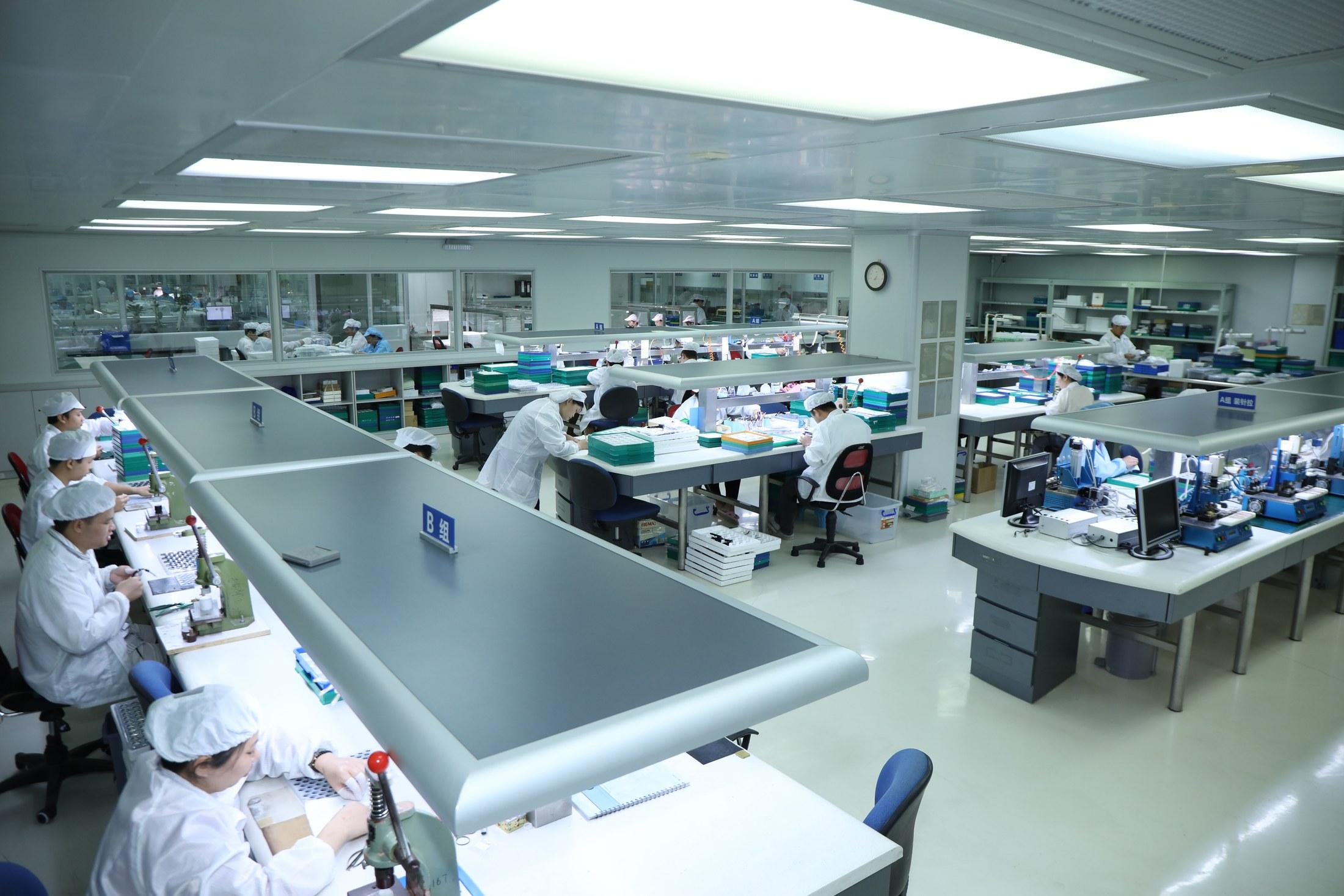
Assembly and quality control
The watch is assembled, and the reviews described on the Quality page are carried out.
Delivery
The finished watches are inspected against the agreed specification and prepared for handover.
Working together
Clear decisions keep a project moving.
Development is a sequence of decisions, most of them small. What matters is that the ones other work depends on are settled in an order that does not force work to be redone.
A late change is not a small change.
A decision taken late can affect components that are already designed or produced. Where practical, a decision is recorded and confirmed before the work that depends on it begins. That is not process for its own sake — it is what keeps a change from becoming a rebuild of everything downstream of it.
Decisions a project moves through:
- Dimensions
- Materials
- Movement
- Dial construction
- Finishing
- Colours
- Component interfaces
- Prototype feedback
- Production approvals
Manufacturing
The right process for each component.
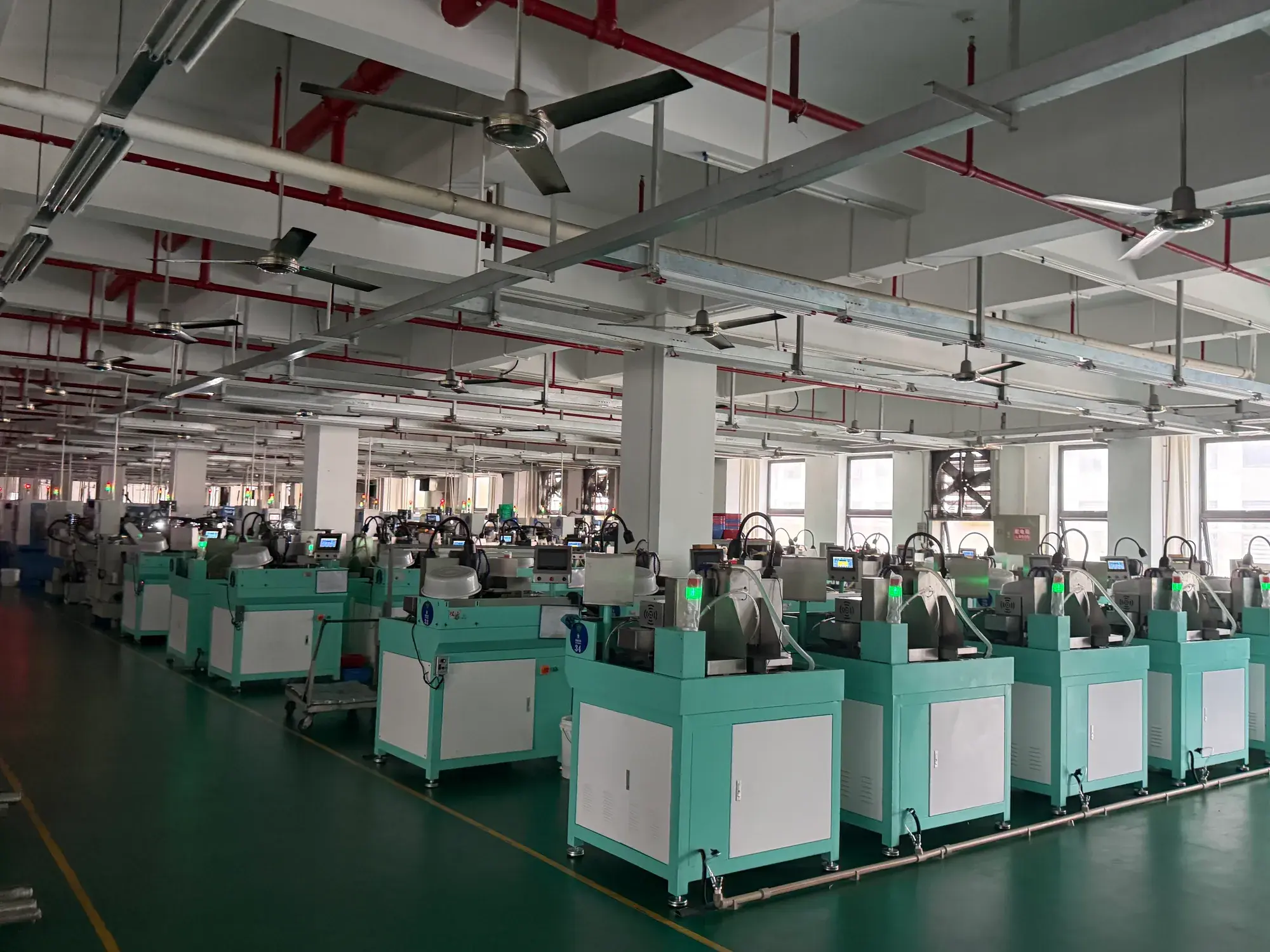
An assembled watch combines components that require different manufacturing and finishing processes. No single process produces a finished watch, and the operations themselves have different requirements — a case, a dial, a hand set and a bracelet do not need the same equipment, the same tooling or the same handling.
TUOFAN coordinates the processes the approved specification calls for, and manages how the results come together into one watch. Where an operation is carried out is decided by what the component needs — its geometry, its material and its required finish — rather than by which operation happens to sit closest to another.
Process selection
Matching each component to a process that suits its geometry, material and required finish.
Component coordination
Keeping the parts of one watch consistent with each other, even though they are made at different times and in different places.
Integration
Bringing approved components together so the result is one watch rather than a collection of parts.
Quality control
Reviewing the work at the points where a correction is still local to one operation, as described on the Quality page.
Starting a project
The better the input, the better the first review.
The first review is more useful when it can see what already exists. Send what you have; the gaps are part of what the review clarifies.
Useful, if available:
- Reference images — if you have them
- Sketches
- CAD or technical drawings — if available
- Target dimensions — case size, thickness, lug width
- Movement preference — if already decided
- Material preferences
- Finishing direction
- Dial and hand concepts
- Target quantity
- Target timeline
- Existing prototype information — if a prototype exists
Production quantity
Standard production MOQ is 300 pieces. A 200-piece production run may be considered with an additional low-volume production charge, subject to project review. Prototype quantities are handled separately.
A project does not need to be fully engineered first.
Nothing on this list is required to make contact. Material you do not have yet is recorded as an open decision, and deciding it is part of the work.
Working principles
Clear about what is decided — and what is still open.
A watch project fails quietly when an assumption is treated as an approved specification. These are the rules that keep that from happening, and they are the reason a review can be trusted.
Separate what is decided from what is open
Every review starts by agreeing which requirements are confirmed and which are still questions.
Surface manufacturing constraints early
A constraint found before a design is committed is a decision. The same constraint found later is rework.
Never treat an assumption as an approved specification
If something has not been decided, it is recorded as open rather than written into the specification.
Review a change against everything it touches
A change to one component is checked against the components that interface with it before it is accepted.
Confirm critical decisions before production
The decisions production depends on are confirmed before the work that depends on them begins.
Continue
Where this is described in more detail.
The two pages below carry the detail behind the working method: what each area of work involves, and how quality is controlled while a project is running.
Watch development
How the decisions at the start of a project are worked through.
Case and components
Case architecture and the components that have to agree with it.
Movement integration
What the movement requires of the case, the dial and the hands around it.
View Quality
Where in the process the work is reviewed, and what happens when something is wrong.
Tell us what you're building.
Whether you have an early concept, drawings or an existing prototype, share what is available and what you are trying to achieve.