Prototype / validation
Military Field Watch Development
From operational requirements to approved limited production.
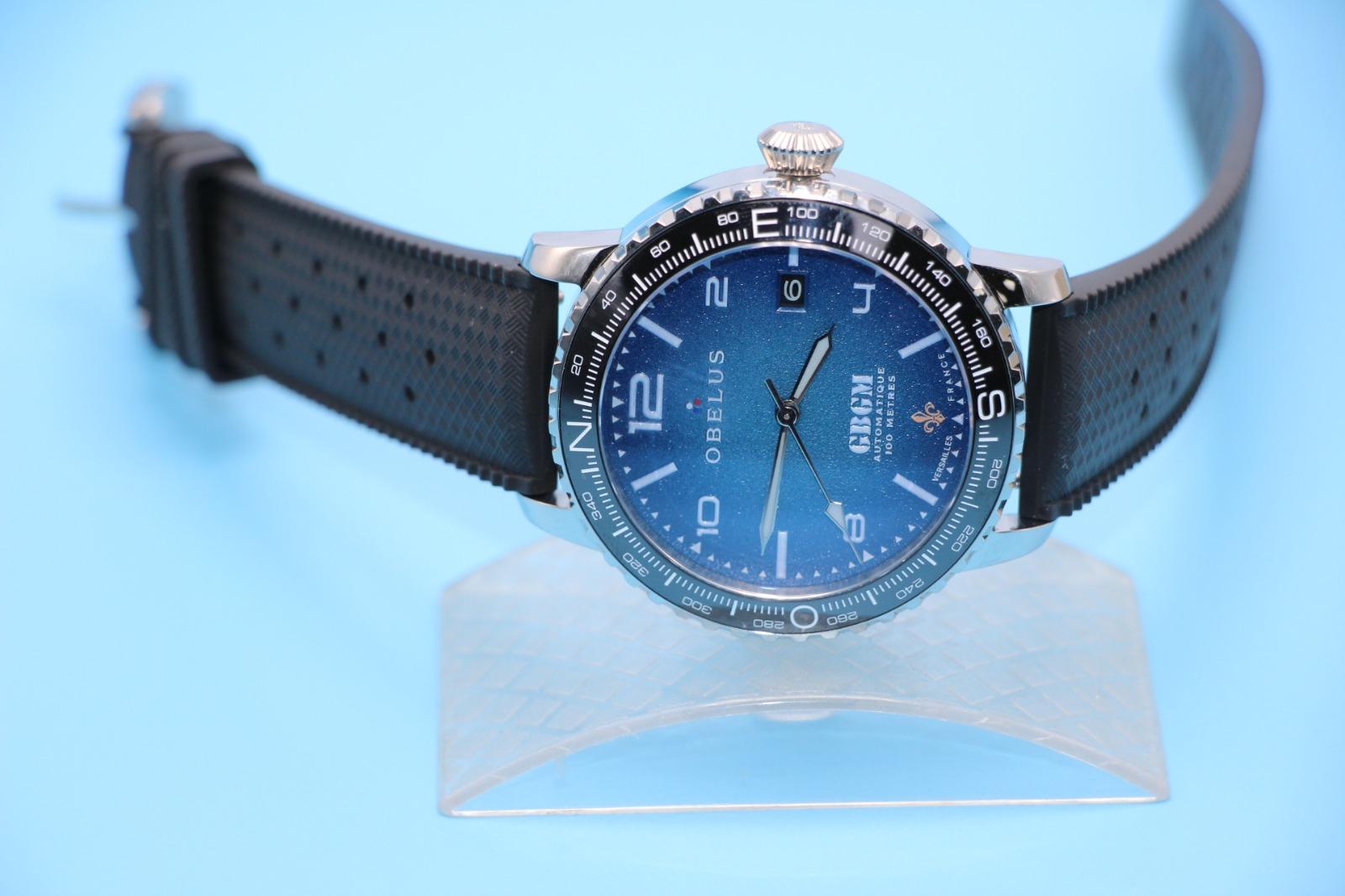
This project was developed for evaluation and use by a military unit. Requirements were translated into a watch, physical prototypes were produced, and those prototypes were delivered to the intended users for review and testing.
The feedback that came back from the physical watches changed the project before a production decision was taken on it.
- Developed for
- Evaluation by a military unit
- Validation
- Physical prototype feedback
- Outcome
- Approved for a limited production run
02 — Brief
The brief.
A watch developed for a specific operational context, with the requirements set by the people who would carry it.
- Developed for
- Evaluation and use by a military unit
- Validation model
- Physical prototypes reviewed by the intended users
- Review scope
- Legibility, colour and finish, component operation, battery life
- Outcome
- Approved for a limited production run
No certification, endorsement or supplier status is claimed for this project, and no standard is cited.
03 — Requirements
Translating requirements.
A field requirement is not a specification. Turning one into a watch means deciding which physical property each requirement actually depends on, and then engineering that property rather than the wording of the request.
Legibility was treated as a functional requirement rather than a stylistic preference. Dial contrast, hand visibility, markers, the luminous treatment, night-time readability and bezel readability are all things a user depends on, and all of them were part of the review.
04 — Prototype
Physical prototype.
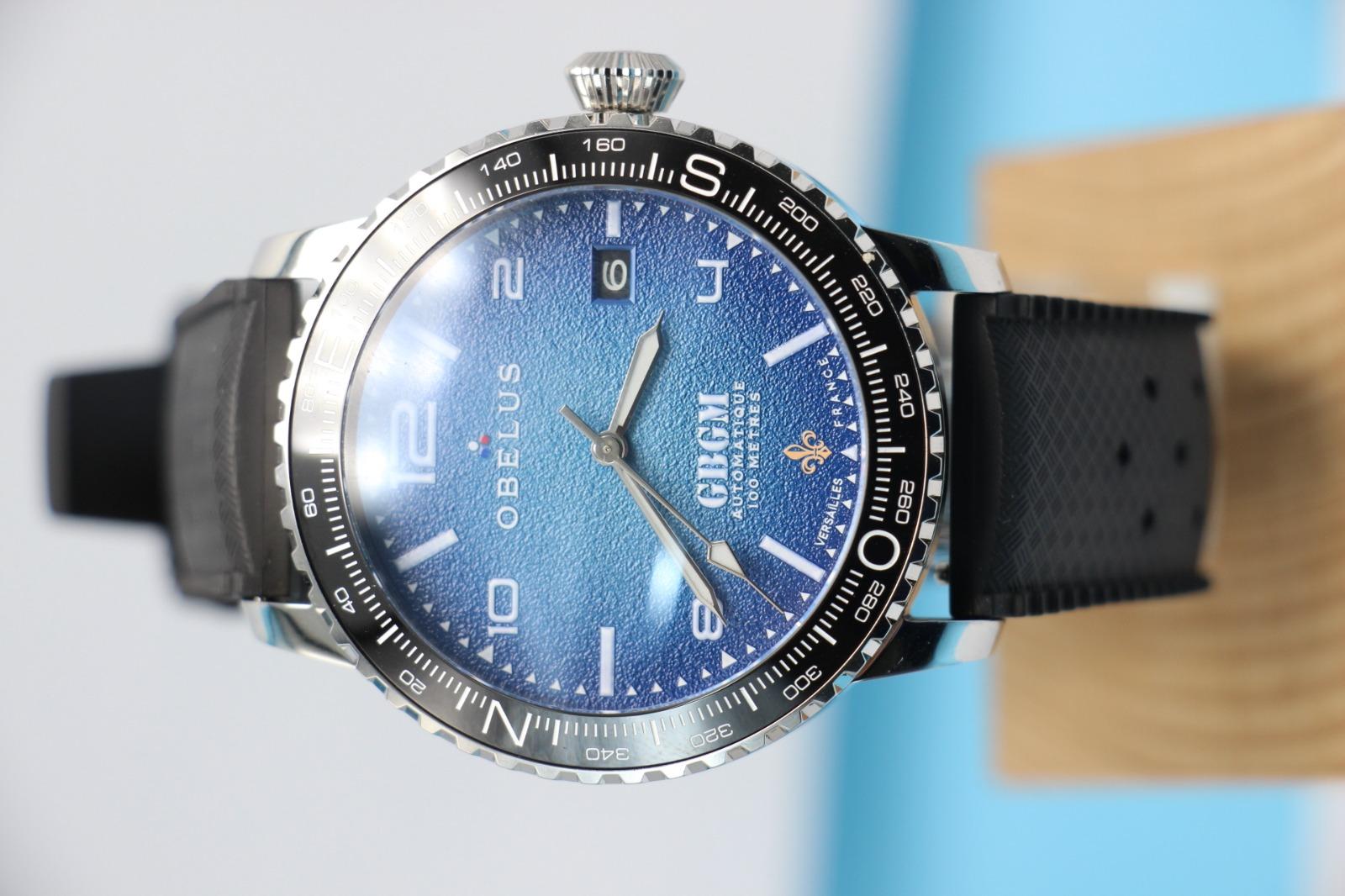
Physical prototypes were produced and delivered to the intended users for review and testing.
The prototype was not a presentation sample. It was the instrument the project used to expose decisions and issues that were difficult or impossible to judge from drawings and renderings alone — a different job from showing someone a drawing of the answer.
05 — Field review
Field review.
Four subjects carried the review, and each of them depended on a physical watch rather than an image of one.
Legibility
Dial contrast, hand visibility, markers, the luminous treatment, night-time readability and bezel readability were reviewed as the conditions a user would actually read the watch in.
Colour and finish
Physical review identified appearance differences that could not be fully judged from digital renderings. Colour and finish were assessed on the actual components.
Operation
The crown, bezel, hands, caseback and strap or bracelet hardware were reviewed in use. A screw-retention issue was identified during that review.
Durability
The parts a user touches carry repeated load, so component security was part of the review — as was the project's battery-life requirement, an explicit technical consideration.
A review is not a change. This list records what the physical prototypes put in front of the project; the next section describes what changed as a result.
06 — Iteration
Iteration.
Feedback from the physical watches was returned into the development process. The project moved from prototype through review and revision and then to a production decision — rather than from prototype straight to an order.
Component colour and finish were adjusted where the review showed a difference that mattered.
- Requirements
- Design and engineering
- Physical prototype
- User review
- Revision
- Final approval
- Limited production
Identifying an issue is not the same as redesigning the part.
07 — Approval
Approval and production.
- Final model
- Approved
- Production
- Limited run authorised
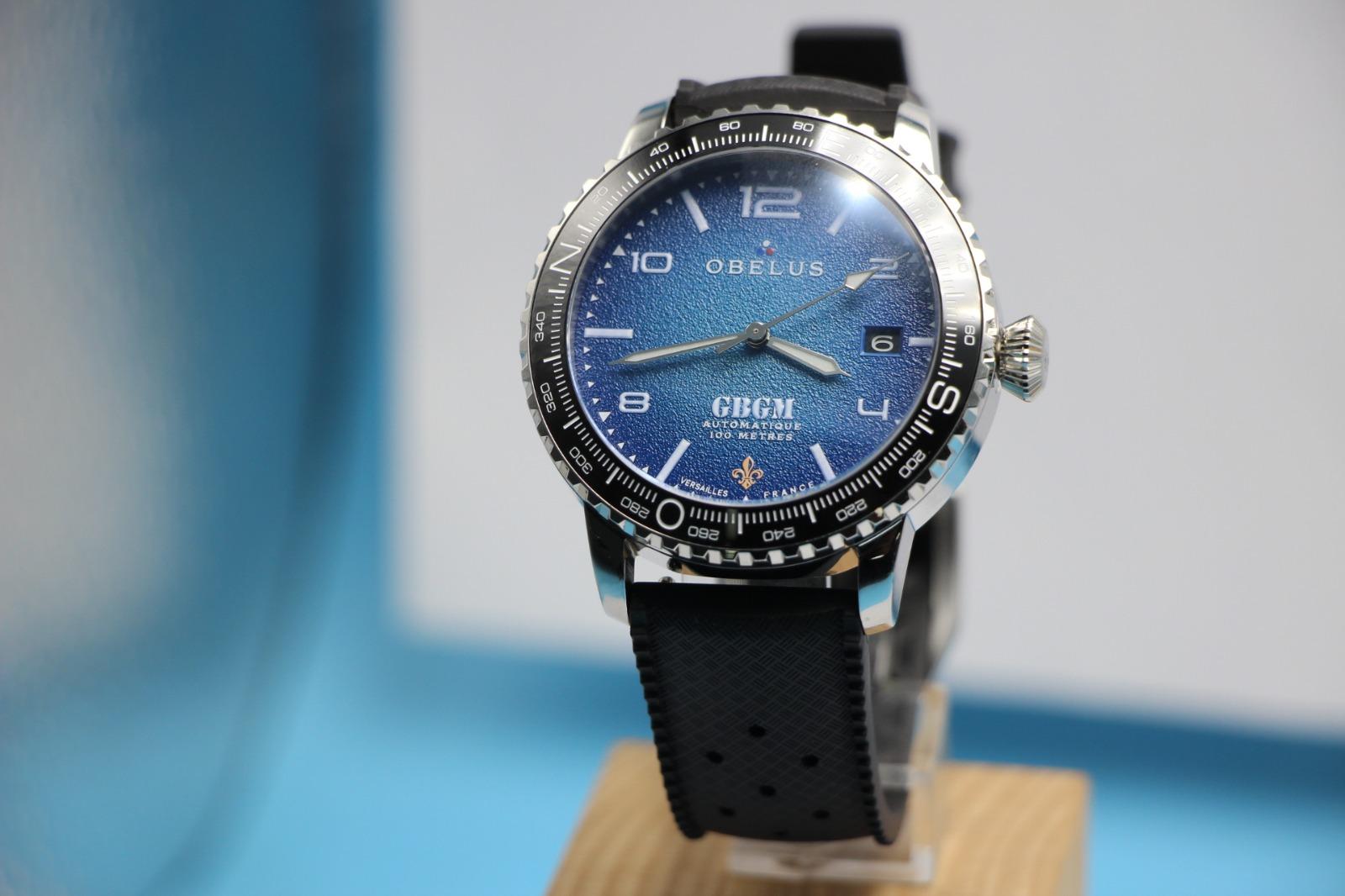
The project reached final approval and an authorised limited production run. Completion of that run is not claimed.
08 — Result
Result.
Following prototype review and final feedback, the watch was approved for a limited production run.
The substance of the project is the loop rather than the object: requirements became a watch, the watch went to its users, and what came back changed the product before the production decision was taken.
Have a watch project in development?
Send the brief, the drawings, or the idea. The first review is a conversation about what the project needs, not a quotation.